Why I Teach Games
on the power of playing across time and space

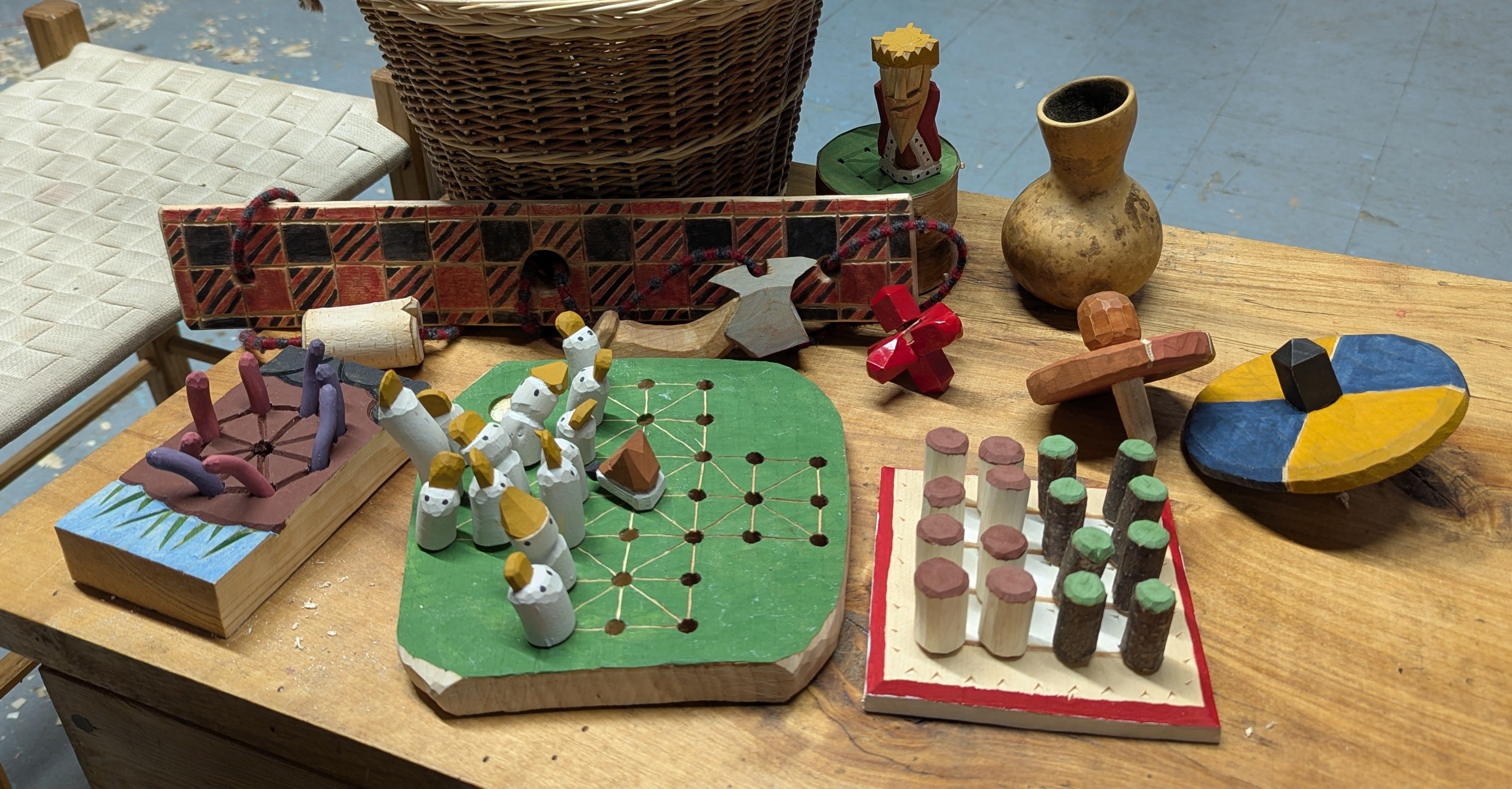
Games teach us many things. Kids play Go Fish to learn how to take turns, how to make strategic decisions, and how to read numbers. They also play Tag to learn to run, and to chase, and to tag someone decisively but not aggressively. Scrabble teaches spelling, and Yahtzee teaches chance, and Musical Chairs teaches intense physical combat as you fight to claim a chair. I teach courses on making all kinds of games using traditional tools and materials, so I think about games often.
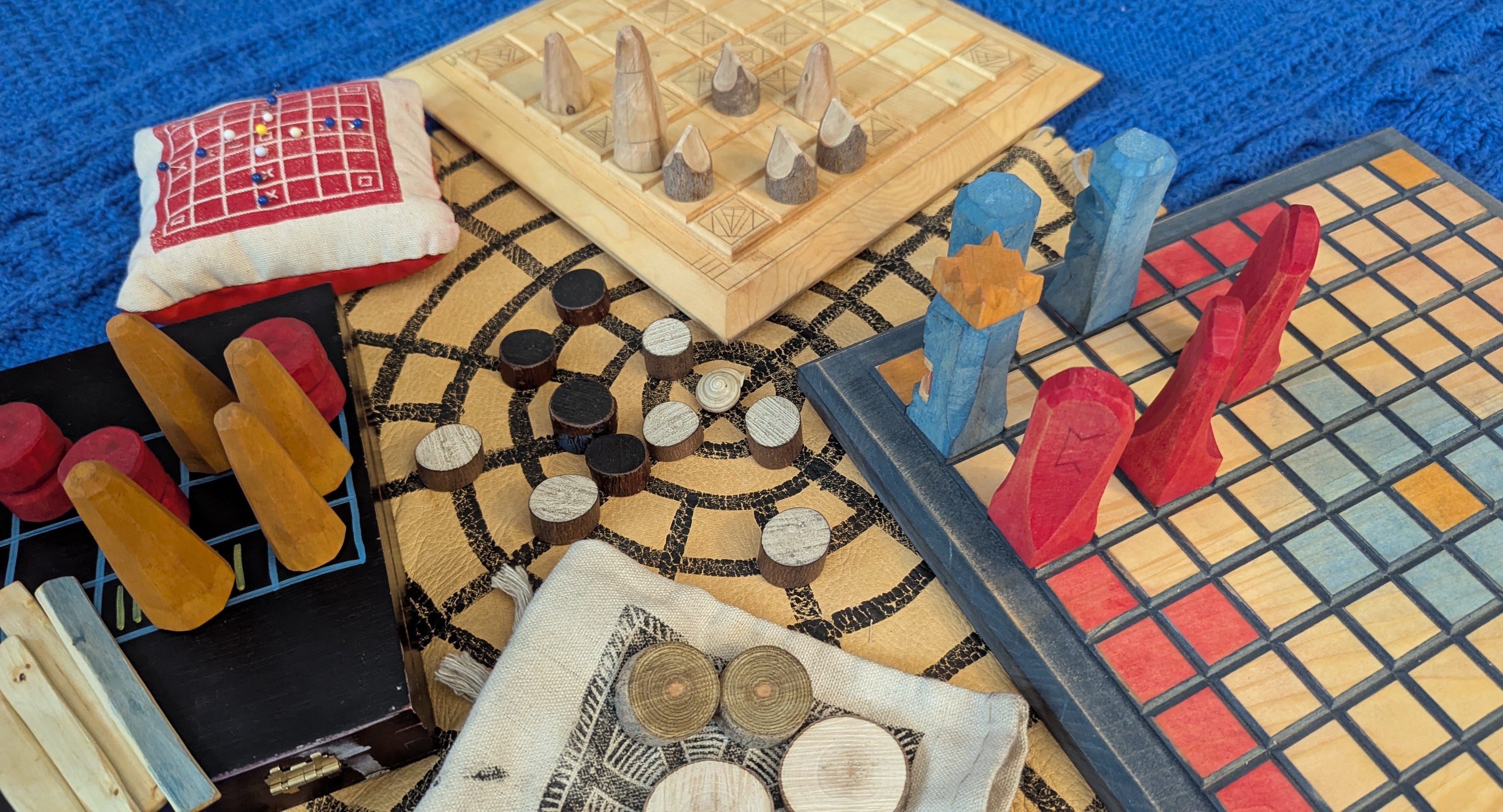
Different people play different games. Learning games from the past and learning games from faraway places can be a way to understand the variety of human experience. One of my favorite games to teach, to make, and to play is known as Hnefatafl, or Viking’s Chess. Instead of two kings and two armies, like our modern Chess, this game only has one king, surrounded by attackers. The king is trying to escape the board, and the attackers are trying to capture him.
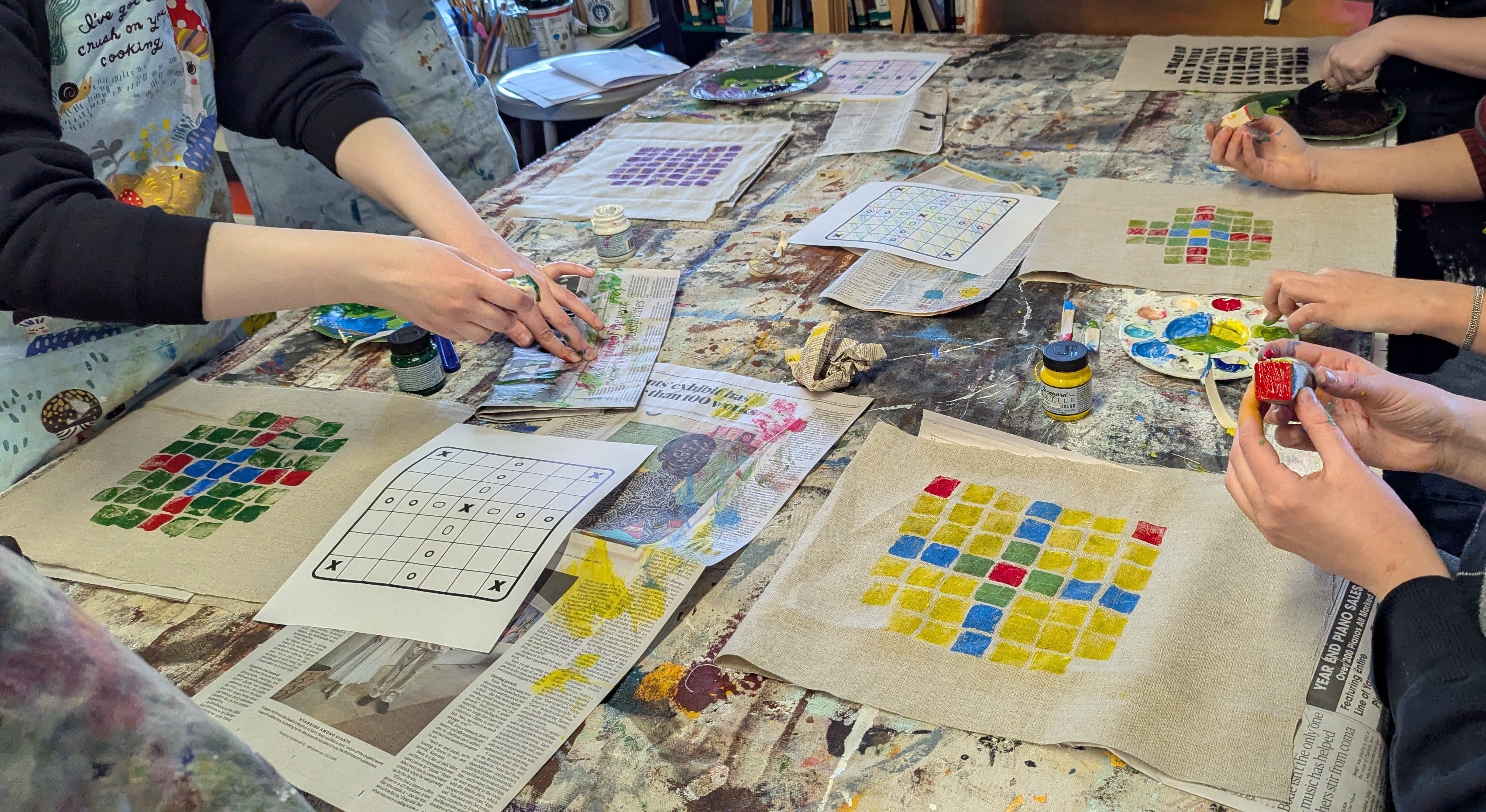
I love to teach this game because you can see people learn to think differently as they play. Unlike Chess’s equal-sided warfare, Hnefatafl is a game of sneaky escapes and clever distractions. It connects us to the conflicts of the Viking Age, which were often lightning-quick raids on towns and villages. A king, in other words, surrounded by attackers. Contrast this with Chess, a game from a later era of military history, where armies lined up against each other and took turns attacking and re-forming into lines. Hnefatafl is a game of earlier times and smaller fights and scrappier warriors.
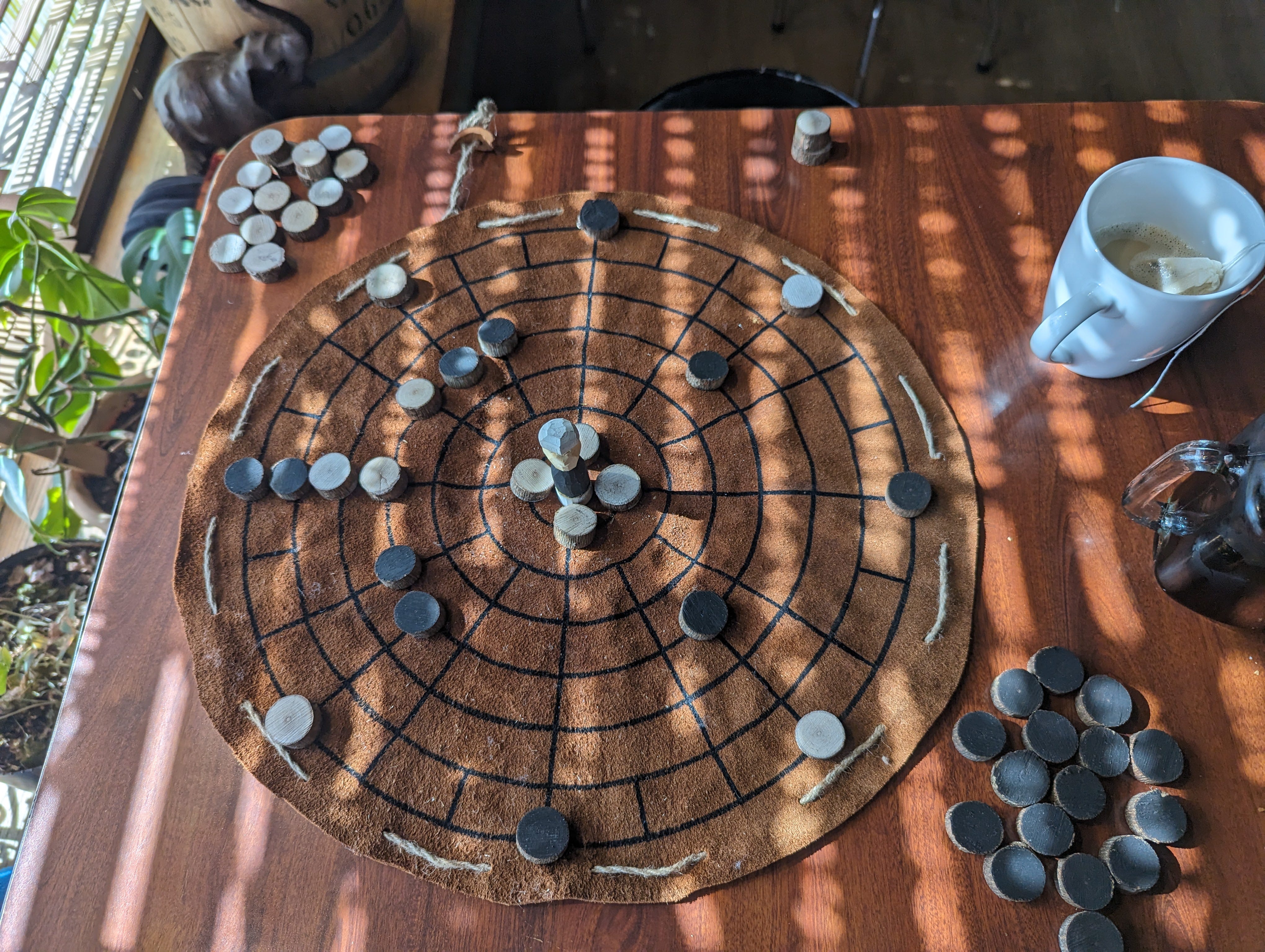
We can see into the minds of the Vikings through their board game. What other games can we look to for understanding the past? What about Fidchell, the ancient Irish game of the druids? I love this game as well, and I have yet to meet someone who is not enchanted by its play. Pieces move in huge, concentric circles, forming up into patterns that resemble a split log eaten by fungus. Indeed, the name Fidchell means “wood wisdom,” and this game was used by the druids to teach their apprentices the secret language of the forest. There are many lessons to be learned from the game of Fidchell. For example: two pieces protect each other from capture, but one piece is vulnerable. Also: the center of the board is the most important position to control, and yet the center of the board is also the most perilous of all spaces. And so on. I think that if you or I grew up playing Fidchell, or Hnefatafl, we would grow into very different people, solving conflicts and reflecting upon our lives in very different ways than we do now.
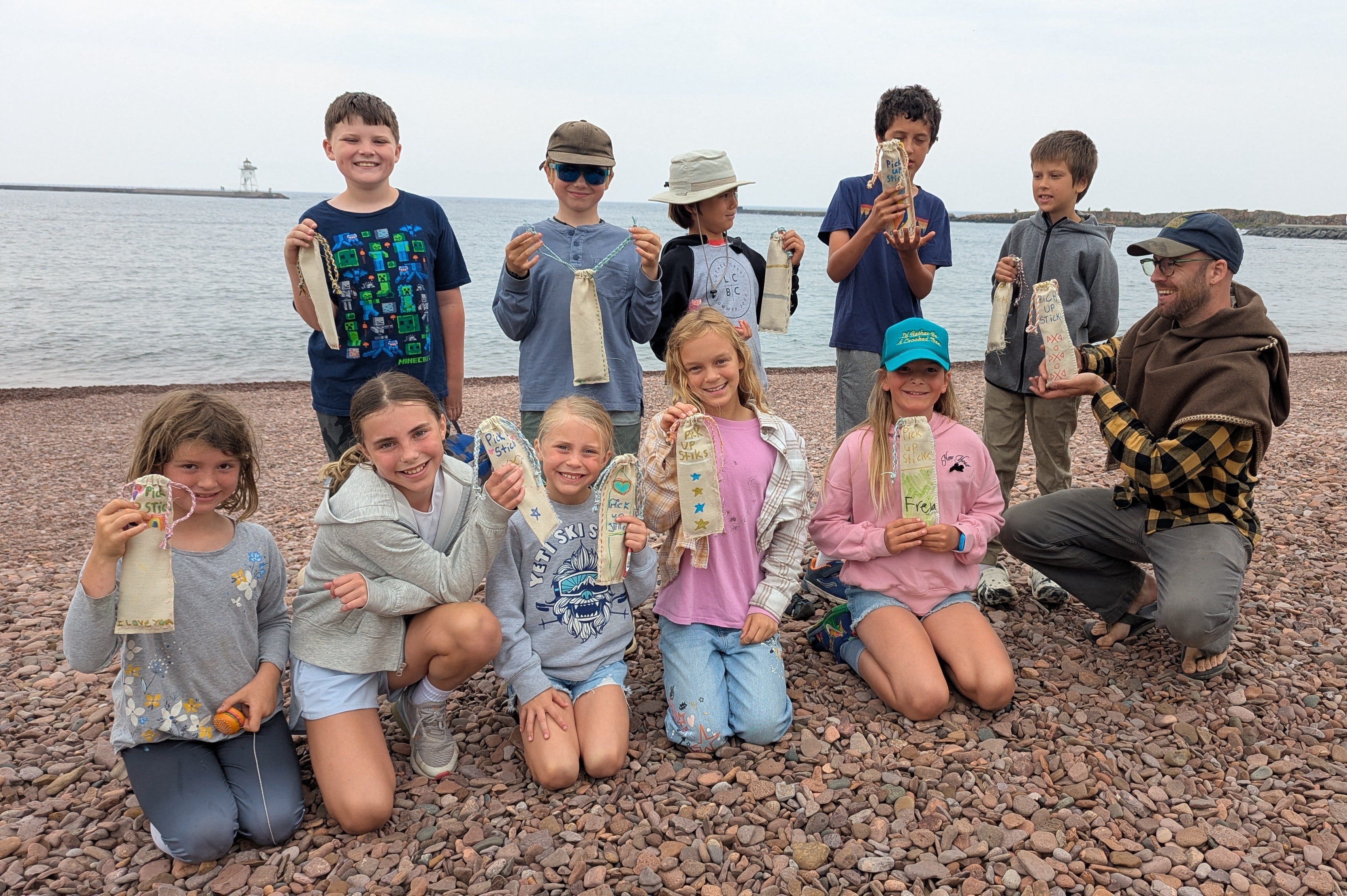
This is why I teach games. I think games set the rules by which we play, even when we put the game board back on the shelf and think we’re living in the real world. And many peoples around the world understood that truth as well. Take the ancient Egyptian game of Senet, found in tombs over five thousand years old. This game teaches the player how to pass through the land of the dead, and be born again as a new soul. It was understood as a teaching tool, as a way to practice your upcoming fate. The game of Snakes and Ladders, if you can believe it, was also created as a metaphysical learning tool, this time in ancient India, to teach morality and good behavior. The ladders all represent different virtues, like Honesty and Knowledge, while the snakes represent sins such as Greed and Rage. Isn’t that funny, that a game you’d find in a kindergarten classroom was originally made to teach spiritual transcendence and the internal battle against evil?
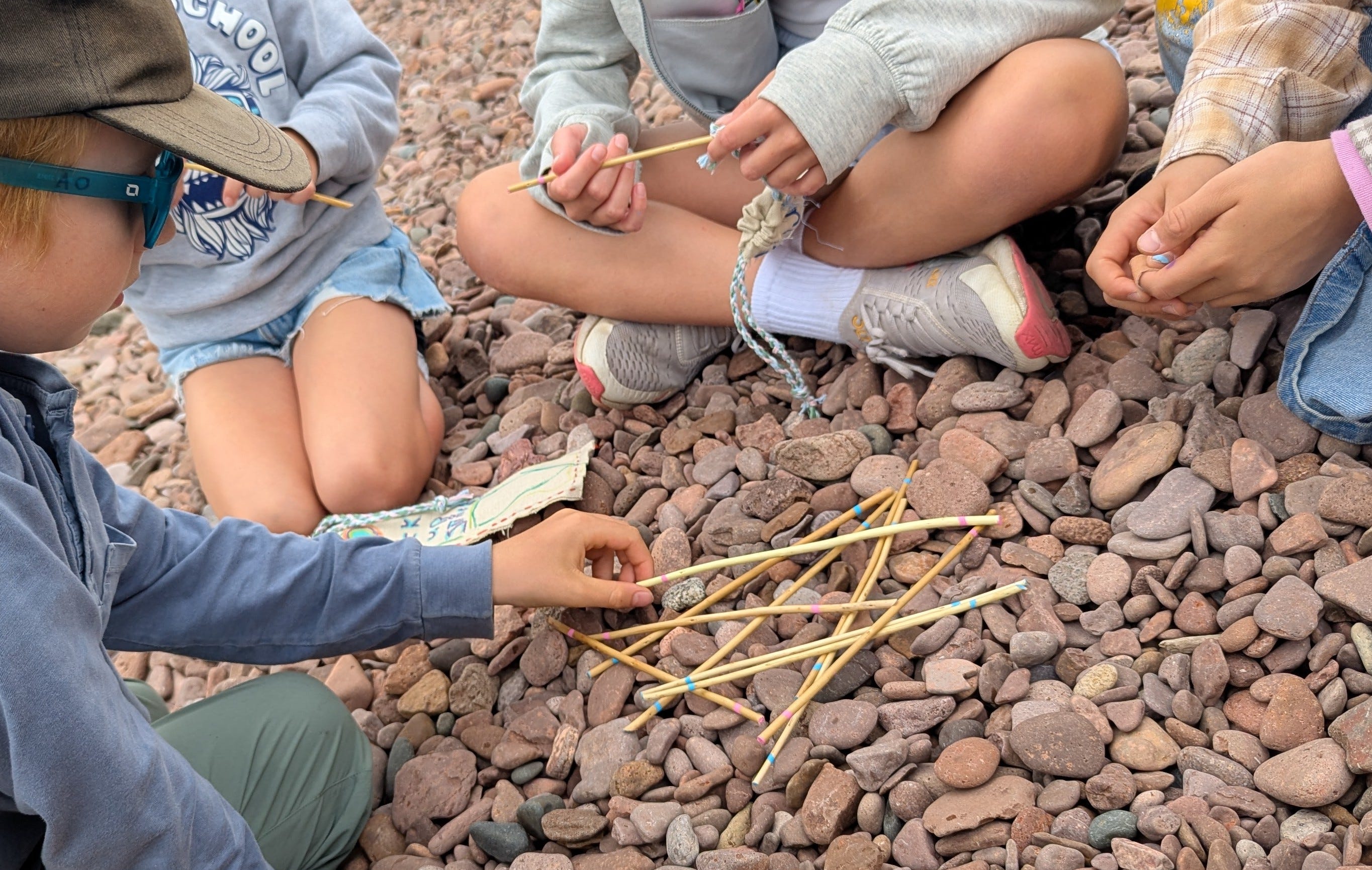
When I teach a workshop on handcrafted games, I think hard about which games to share. Pick-Up-Sticks is a game that is enormously fun to carve in wood - you can play with pattern, texture, shape, color, and design but each stick is a pretty low-stakes investment of time and effort, so there is freedom to carve and paint without being overly careful. When a group plays Pick-Up-Sticks, they tend to cheer each other on, which is a wonderful combination of cooperation and competition that not all games enjoy. Also, for younger kids, it is an engaging challenge to keep a close eye on a big pile of sticks to make sure nothing moves while their opponent takes their turn. And players of all ages might be surprised by the hand-eye coordination it takes to pull off a big win!
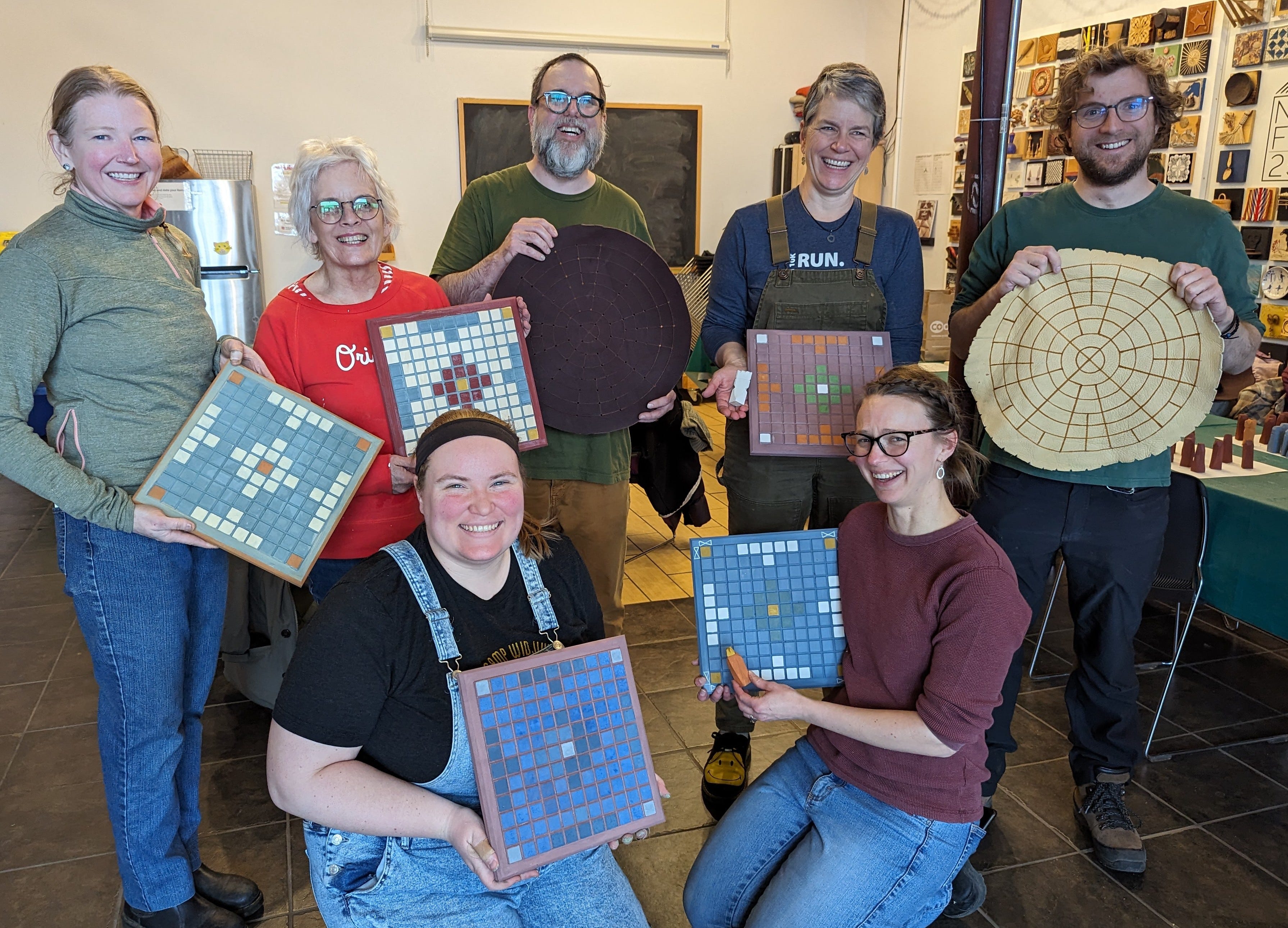
Crafting our own games, and our own versions of games, is a way to have agency in our world. Games teach, and games bring people together, and games show us how we can relate to each other in different ways.
I’m teaching some classes this summer - sign up and come learn with me!
⭐Get Started with Nålbinding at American Swedish Institute, June 11th, 2026
⭐Viking Chess at North House Folk School, June 30th - July 1st, 2026
⭐Throw, Kick, Whack! Handmade Games and Toys at North House Folk School, August 3rd - 7th, 2026